
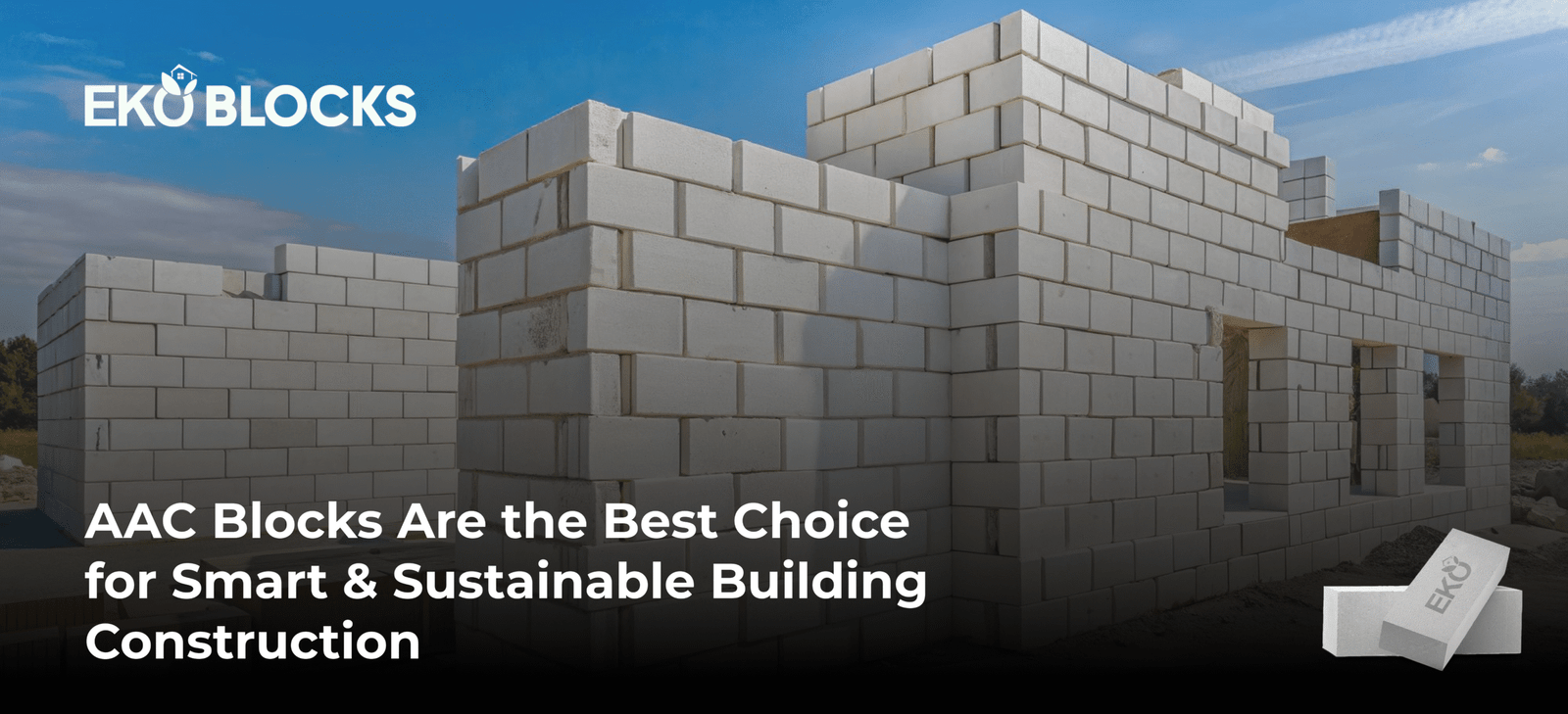
Why AAC Blocks Are Preferred in Smart Building Construction
When it comes to modern smart building construction, choosing the right walling material is crucial for achieving energy efficiency, durability, and sustainability. Among the many building options, Autoclaved Aerated Concrete (AAC) blocks have emerged as the preferred choice for engineers, architects, and builders. This article explores the key reasons why AAC blocks are the smart solution for next-generation buildings.
What Are AAC Blocks?
AAC blocks are lightweight, precast foam concrete building materials with a cellular structure. They are manufactured using natural raw materials such as sand, cement, lime, gypsum, and aluminum powder. Due to a special autoclaving process, these blocks become extremely porous, providing unique properties that set them apart from traditional bricks.
For seamless construction, AAC blocks are often paired with block jointing mortar for AAC blocks, which ensures thin joints, better bonding, and faster wall assembly.
Top Reasons AAC Blocks Are Preferred in Smart Buildings
- Superior Energy Efficiency
AAC blocks are renowned for their outstanding thermal insulation. Their porous structure helps maintain consistent indoor temperatures, significantly reducing the need for artificial heating or cooling. Builders report a reduction of up to 30% in HVAC expenses, translating to lower energy bills and a smaller carbon footprint. This feature is vital for achieving green building certifications like LEED and GRIHA.
- Lightweight Yet Strong
AAC blocks weigh up to 50% less than red clay bricks and three times less than conventional bricks. This lightweight property reduces dead load on foundations, saving on structural costs and making AAC an ideal material for high-rise building projects. Despite the lower weight, AAC blocks deliver impressive compressive strength, supporting both load-bearing and partition walls.
- Exceptional Fire and Sound Resistance
Safety and comfort are top priorities in smart buildings. AAC blocks are highly fire-resistant, withstanding temperatures up to 1,200°C for several hours, far surpassing traditional materials. The blocks’ closed air pockets also deliver superior sound insulation, making them perfect for soundproof construction solutions in residential, commercial, and institutional settings.
- Eco-Friendly and Sustainable
Sustainability is at the core of intelligent construction. AAC blocks are produced using non-toxic, natural materials and require significantly less energy during manufacturing. They generate minimal construction waste, are fully recyclable, and contribute to a building’s sustainable architecture goals. Their lightweight nature also means lower transportation emissions, supporting eco-friendly construction practices.
- Faster and Cost-Effective Construction
One of the standout benefits of AAC blocks is their impact on construction speed. Larger sizes and the precision of factory manufacturing translate to fewer joints and faster wall assembly. This accelerates project timelines, reduces labor costs, and minimizes wastage. For enhanced speed, many builders use ready-mix block adhesive instead of conventional mortar.
- Pest and Moisture Resistance
AAC is inorganic and does not attract termites, rodents, or mold, making buildings more durable and reducing future maintenance costs. Superior moisture resistance further extends the service life of structures, making them ideal for various climates.
Conclusion
AAC blocks align perfectly with the goals of smart and sustainable building construction. Their combination of lightweight strength, energy and cost savings, safety, sustainability, and ease of use makes them the go-to material for modern buildings that strive to be efficient, resilient, and eco-friendly. If you’re planning a smart building project, consider AAC blocks as a cornerstone of your low carbon footprint construction strategy.
